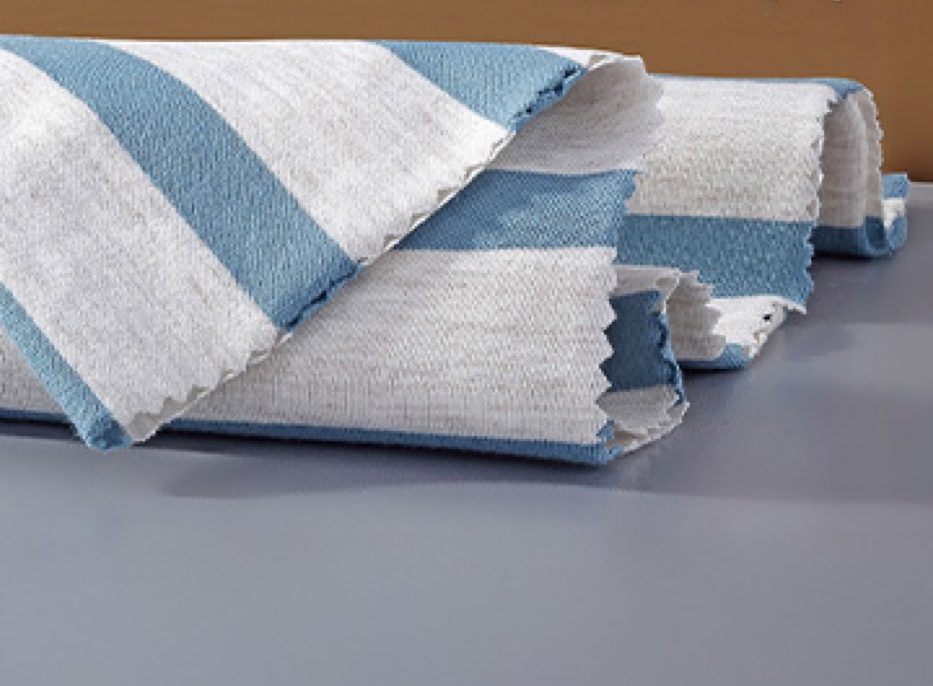
Knitted fabric
Single Jersey Knitted Fabric
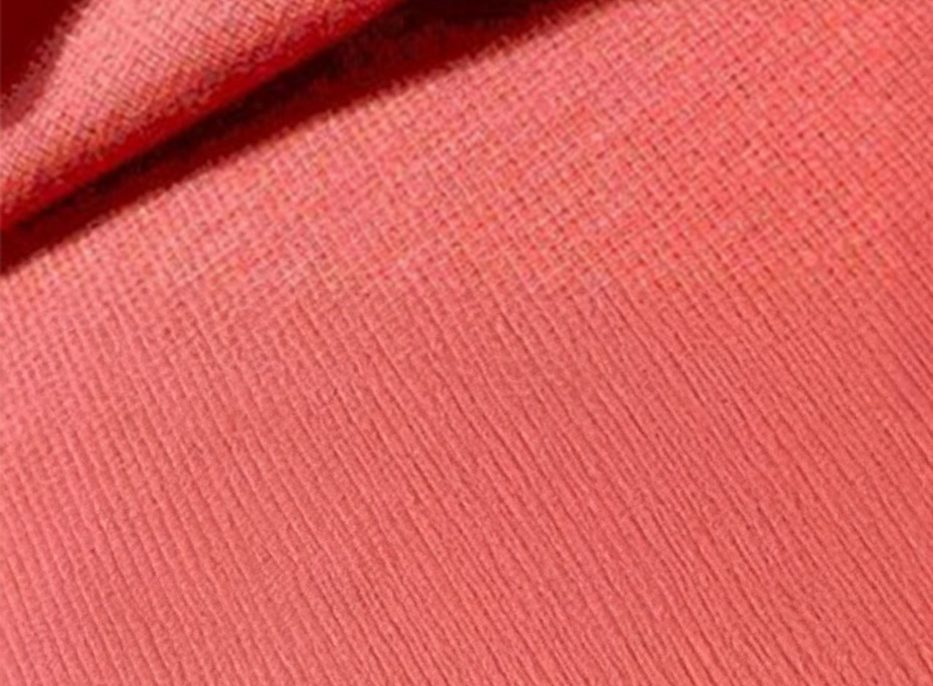
Distinctive Characteristics of Suprem Fabric: The Front and Back Sides Are Different: The most obvious visual characteristic that sets Suprem fabric apart is that its two sides look different. While the front side of the fabric features straight loops (V-shaped lines), the back side shows reverse loops (wavy, horizontal loops). Lightweight and Breathable: Since it is typically made from 100% cotton or a cotton-spandex blend, it allows the skin to breathe and wicks away sweat. It is ideal for summer. Elasticity: Its crosswise stretch is much greater than its lengthwise stretch. If elastane (Lycra) yarn is added (Lycra-Blended Suprem), it provides excellent stretch in both directions and comfortably hugs the body. Edge Curling and Twisting: When cut, the raw edges of the fabric tend to curl backward, while the top and bottom edges tend to curl forward. This is a characteristic feature of the Suprem weave. Applications: Due to its light weight and soft texture, it has a wide range of applications in textiles: Basic T-shirts, tank tops, bodysuits, and blouses; pajama sets, nightgowns, and loungewear; baby and children’s clothing (due to its skin-friendly cotton composition); and underwear and leggings.
Technical values
- Weight
- 0
- Width
- 0
- Composition
- Cotton, cotton/elastane, viscose, modal
Typical uses
Elasticated, full-elastane, diagonal, open-width, tubular, yarn-dyed and patterned variants are available on request.
Request sample / quote ↗Working with Tutku Fabric
Sourcing and sampling process
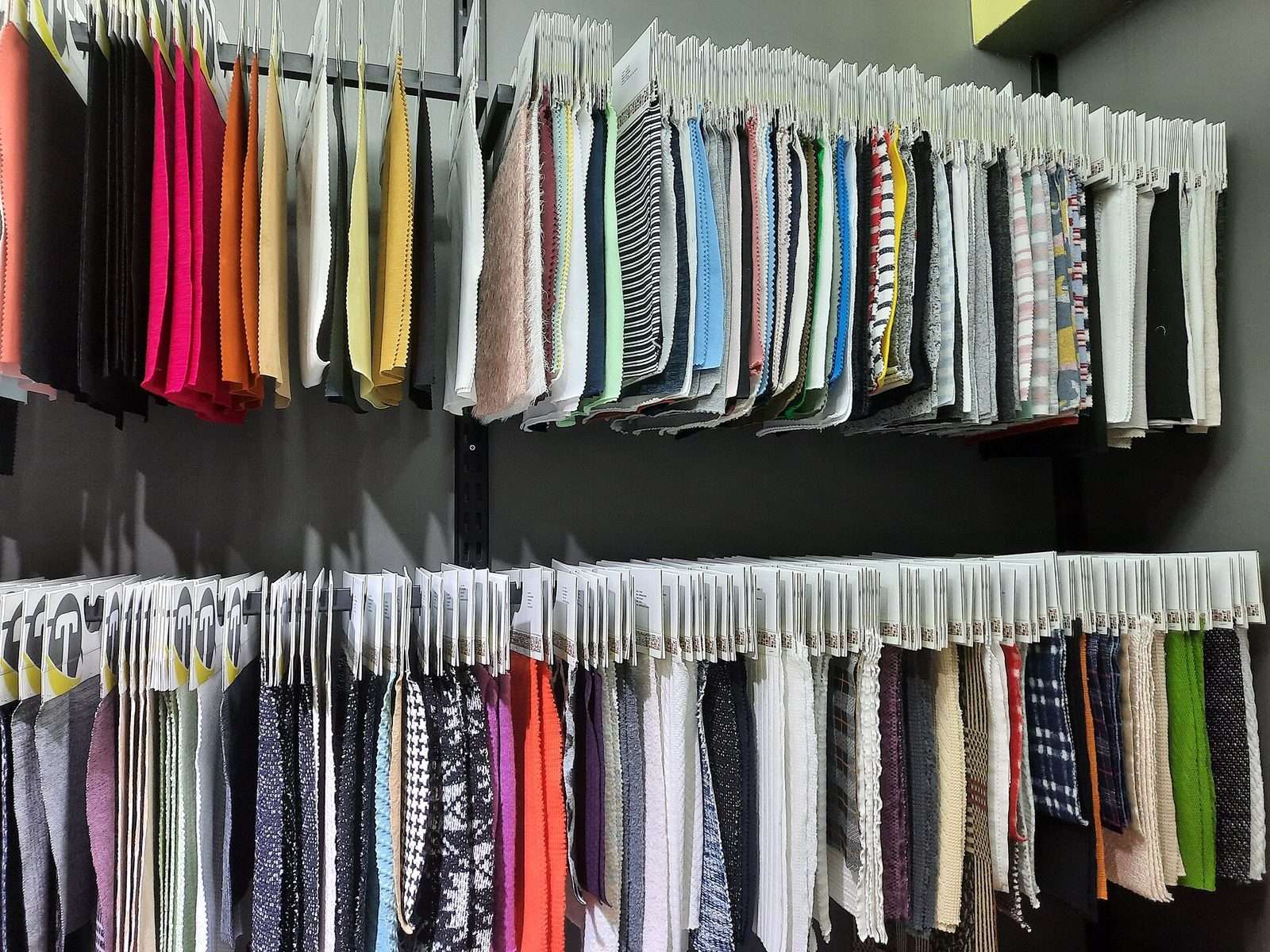
Tutku Fabric does not knit; it is a sourcing and marketing partner working with mills experienced in this construction. When your enquiry arrives we settle the target weight, width, composition and end use, send suitable options from existing swatch cards and, where needed, plan a trial knit with the mill.
Weight, width and after-wash measurements are recorded on the sample; the approved sample becomes the written reference for bulk. Checkpoints on the greige knit, after dyeing and before dispatch are followed, and requested physical tests are run by an independent laboratory. Minimums and lead time are set with the mill according to colour count and dyehouse schedule, then confirmed to you in writing.
FAQ
Questions about Single Jersey
In which weights and widths is Single Jersey supplied?
Single Jersey is typically worked in the 0 band, 0. These are the standard ranges of the lines in our mill network; for a different target we plan a trial knit and the result is measured on the sample and approved in writing.
What is Single Jersey used for?
Typical end uses are T-shirts, vests, dresses and underwear. Composition options such as Cotton, cotton/elastane, viscose, modal change the hand, drape and after-wash behaviour, so we recommend deciding the blend together with the end use.
How do I get a sample or a quote for Single Jersey?
Send the target weight, width preference, composition, colour count and approximate metres through the quote form or by e-mail. We share suitable swatches from our mill network, start a bespoke sample where needed and confirm minimums and lead time in writing after approval.
Related guides
Single jersey, interlock and rib: the differences
Single jersey, interlock and rib are the three most used knitted constructions. We compare how they are built, how they stretch, how they behave in weight and which…
Read more →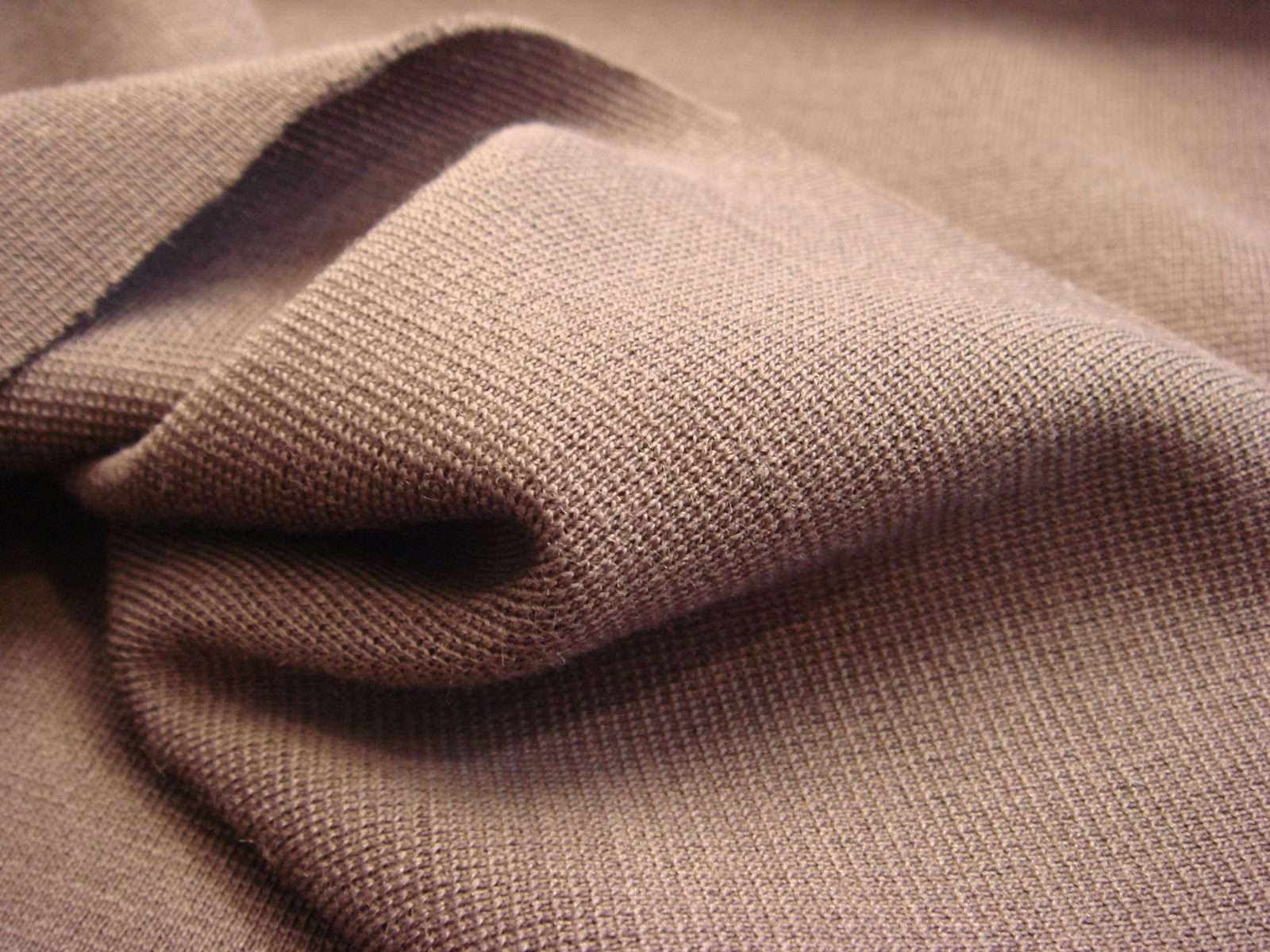
What is knitted fabric? Types and end uses
Knitted fabric is built from loops of yarn linked into one another. This guide explains how knitting works, the main constructions such as single jersey, rib, interlock…
Read more →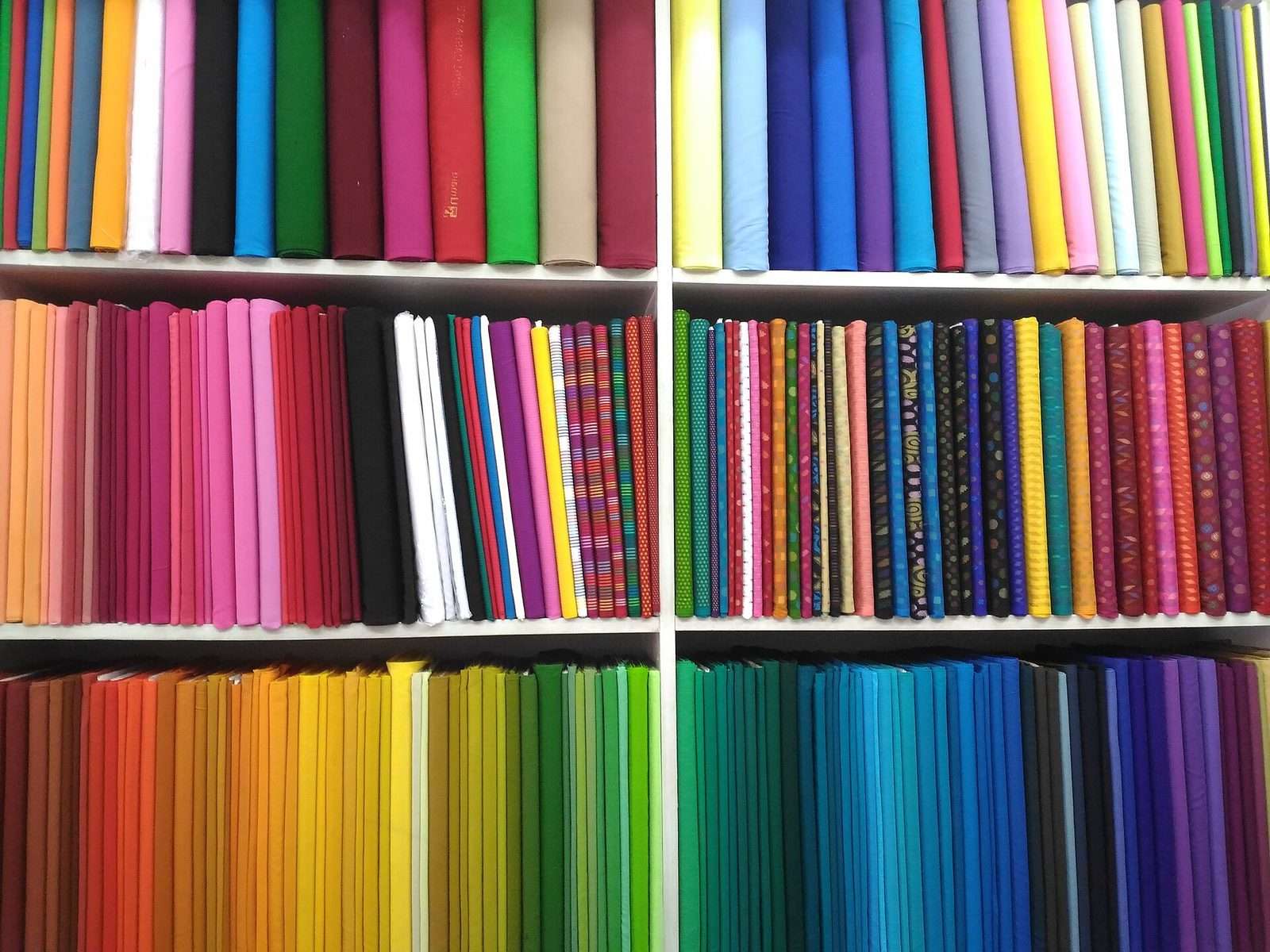
Knitted fabric sourcing: swatches, samples and quality control
A knitted fabric order passes through many steps from first enquiry to shipment. How swatches differ from samples, how colour is approved and what is checked during…
Read more →Custom development
Need a different weight or composition?
Share your target; we will develop the closest construction.
Start a project ↗