Sourcing knitted fabric is more than naming a quality and asking for a price. The decisions taken between the first enquiry and the shipment shape both the finished product and the delivery date. This guide walks through a typical sourcing flow.
The enquiry: describing the need
Everything starts with a clear description. Product type, target weight range, required width, composition, number of colours and approximate metreage should be shared at the first stage. Adding printing, embroidery, special finishing or certification expectations makes the quote far more realistic. If you hold a reference piece of fabric, that piece is the strongest document you can send.
Swatches and samples are not the same
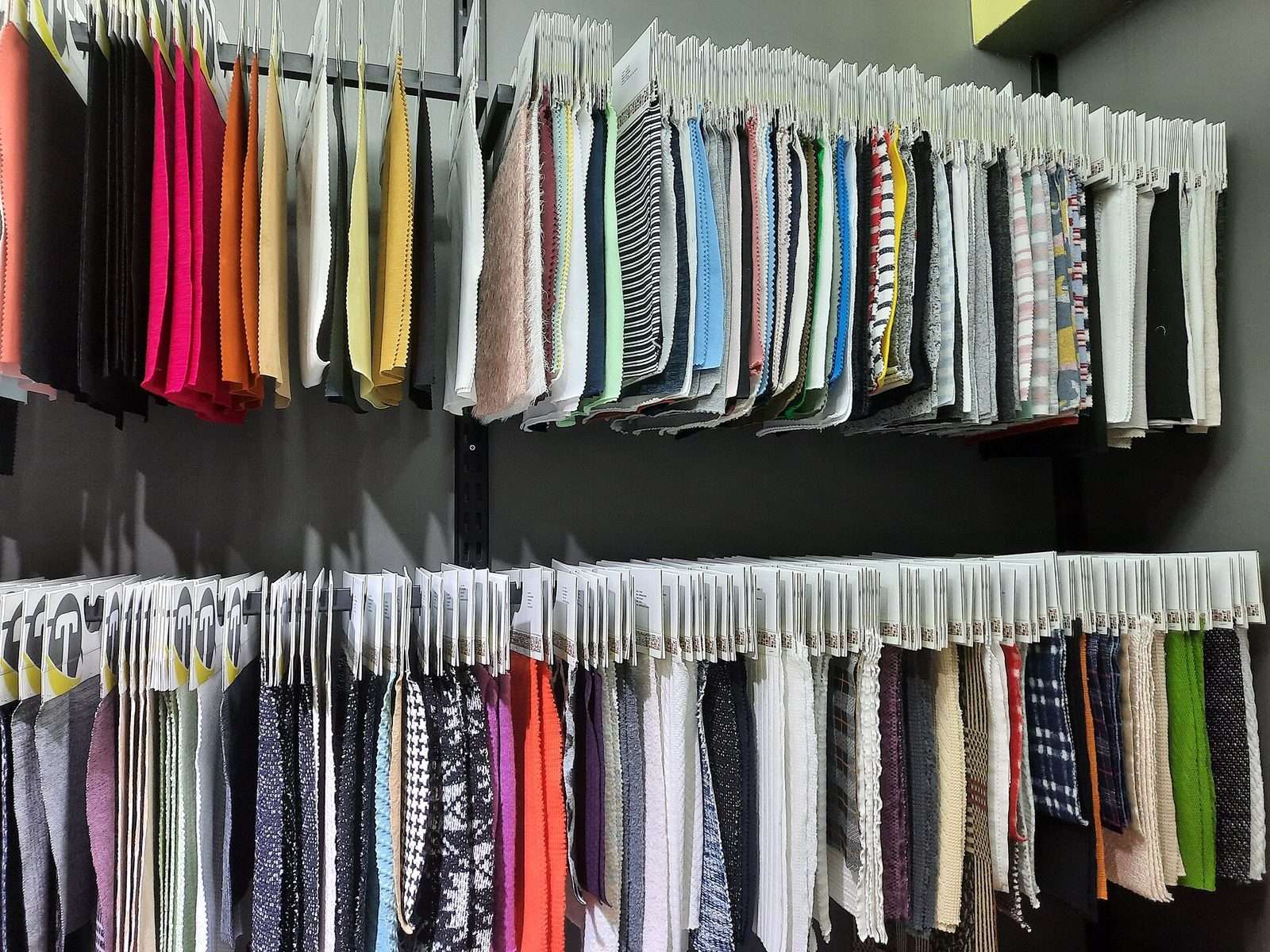
A swatch card is a collection of small pieces of already produced fabrics. It lets you see the construction, hand feel and colour range quickly, and most projects start by choosing from it. A sample, by contrast, is produced for your project: the target weight, composition and finishing combination is tried on it.
Deciding from a swatch is fast but limited; a sample takes time but gives measurable results. In practice the method that works is to set the direction with swatches and confirm critical products with a sample.
How colour approval works
Colour is the step that most often needs repeating. The reference can be a Pantone code, a piece of fabric or a previous production. The dyehouse runs laboratory dips in small batches and sends them for approval. The light source under which you judge the colour matters: shades that match under one light and differ under another cause disputes later. The approved colour is recorded and used as the reference in bulk.
Checkpoints during production
- Greige inspection: loop regularity, dropped stitches, holes and lines are checked as the fabric leaves the machine.
- After dyeing: colour consistency, within-roll and roll-to-roll deviation and stains are checked.
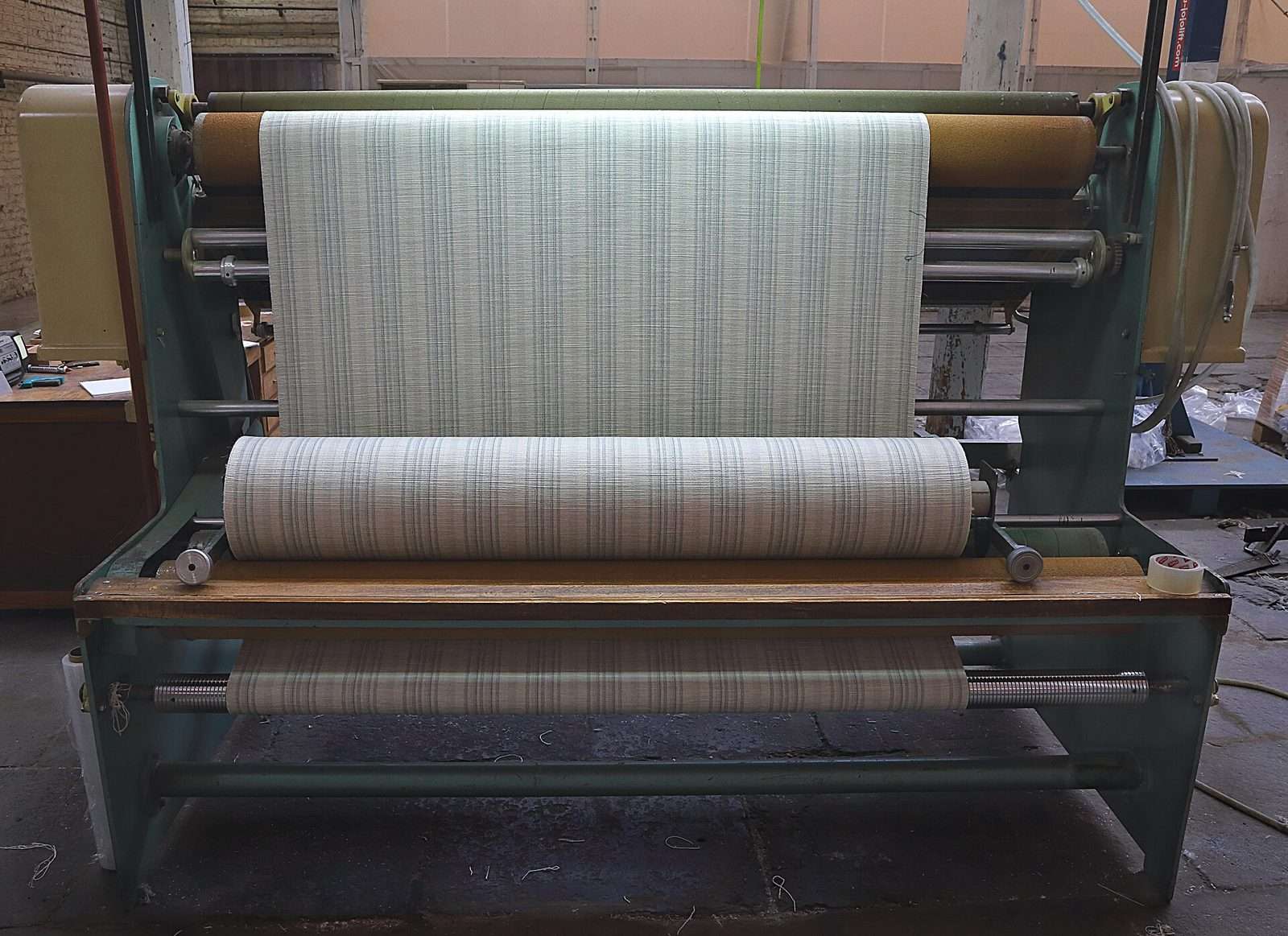
- After stenter and finishing: weight, width and hand feel are compared with the targets.
- Physical tests: shrinkage, fastness and, where required, pilling tests are run at independent laboratories.
- Roll records: the metres and lot data of every roll are recorded for traceability.
Pre-shipment inspection and paperwork
When production is complete the fabric goes through a final inspection, commonly a visual scan on a lighted table with defects scored. The resulting report shows weight, width, colour and defect information together. Packing, labelling and export documents are prepared at this stage. A well-prepared shipment file removes much of the uncertainty that appears when the fabric reaches the cutting room.
Common mistakes
Most problems in sourcing are not technical but communicational: describing the target weight with relative words such as "thin" or "thick", confusing open width with tubular, leaving colour approval unrecorded, and not discussing washing expectations from the start. Clarifying these before the order is the most efficient investment of both time and money.
Habits that speed the process up
Keeping approved recipes for repeating collections avoids starting from scratch each season. Defining a back-up fabric for critical products makes it easier to change plan when something is delayed. Running colour and construction decisions in parallel shortens the gap between sample and bulk.
Naming the construction correctly makes the enquiry easier: the typical weight and width ranges on the single jersey, interlock and rib pages are a good starting point, and choosing weight and width covers the measurement decision.
Tutku Fabric works as a single point of contact through this whole flow. We run the swatch and sample work, follow colour approval, monitor the checkpoints on our production partner's line and share pre-shipment quality control together with its reports. To describe your project, simply fill in the quote form and we will clarify the construction, the sample plan and the delivery expectation with you.
Next step
Shall we develop the right fabric for your product?
Share your target weight, width and end use; we will get back with suitable constructions and sample options.
Request sample / quote ↗