Weight and width are the two technical figures that come up most often in a fabric conversation. Both directly affect how your product hangs, how much material you consume and what it finally costs. Yet many enquiries mention only the fabric name, and without a weight and width range the sample that arrives rarely matches the expectation.
What does g/m² mean?
Weight is the mass of the fabric per square metre. To measure it, circular samples of a known diameter are cut, weighed and converted to a square metre. A higher figure means a thicker, fuller fabric and a lower figure a lighter one, but weight alone does not indicate quality: a tightly knitted 160 g/m² single jersey can be more durable and more stable than a loosely knitted 180 g/m² one.
Three things drive weight: yarn count, stitch density and finishing. That is why the difference between greige weight and finished weight matters, and why the order correspondence should say which one is meant.
Typical weight ranges
- Light single jersey (summer tees, linings): roughly 120-150 g/m²
- Standard t-shirt single jersey: roughly 150-200 g/m²
- Heavy t-shirts and basics: roughly 200-240 g/m²
- Interlock and underwear structures: roughly 180-260 g/m²
- Two-thread fleece: roughly 240-300 g/m²
- Three-thread brushed fleece: roughly 300-400 g/m²
These are widely used references and may shift with yarn type, elastane content and finishing. When deciding, focus on the hand feel and the season you are targeting rather than on the number alone.
Width: open width, tubular and usable width
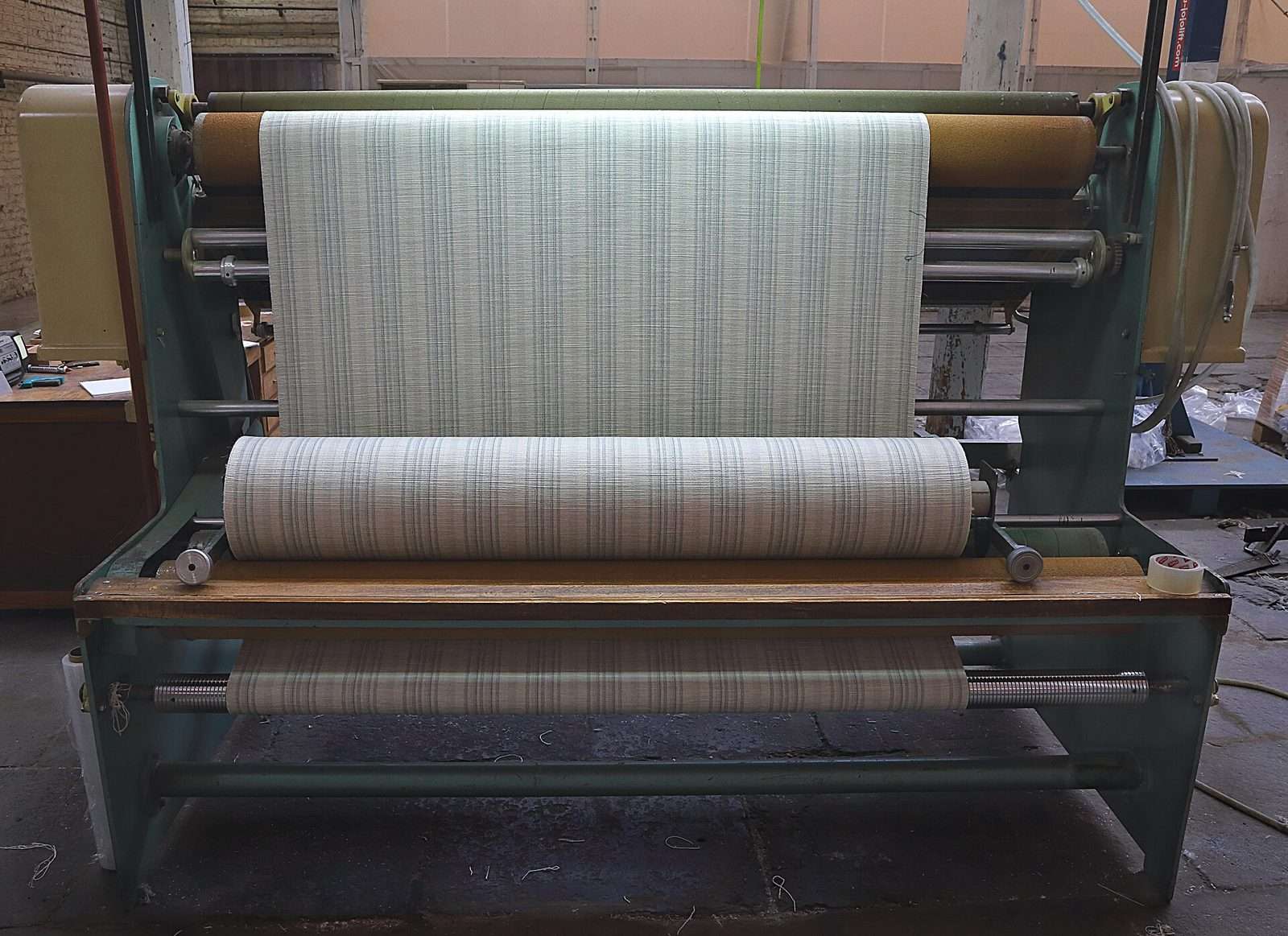
Fabric leaves a circular knitting machine as a tube. It is either shipped tubular or slit into open width. For tubular goods the figure usually refers to the flattened width; for open width it refers to the full width of the cloth. Mixing the two leads to serious errors in metreage.
Usable width is just as important. Selvedge areas can show colour or surface deviation, so not all of the width can be placed in the marker. When asking for a quote, ask for the width you can safely cut, not the total width. Matching the width to your pattern pieces visibly reduces waste.
How weight and width affect cost
Knitted fabric is usually priced by the kilogram while garment makers think in metres. As weight rises, one metre becomes heavier and therefore more expensive; as width rises, one kilogram yields fewer metres but the marker may become more efficient. The sound way to decide is a small cutting trial with the candidate fabrics.
Shrinkage and change after washing
Weight and width both change after washing. Knits tend to shrink lengthwise, so weight rises and width narrows. At sample approval, record the measurements after washing as well as the greige figures. The acceptable shrinkage range is defined per product and written into the order file so that bulk production has a shared reference.
What to settle before ordering
Stating the following will get the right sample first time: target weight range, required width (open or tubular), composition, product type, whether there will be printing or embroidery, and washing expectations. Without them, both the price and the sample are guesswork.
The steps from sample approval to shipment are described in the knitted fabric sourcing process, and the differences between constructions in single jersey, interlock and rib compared.
At Tutku Fabric we take the weight and width decision together with you. We listen to your product and target hand feel, propose suitable ranges, measure the sample so the expectation is tied to real numbers, and follow those values during production. Describe your product briefly in the quote form and we will clarify the right weight and width options with you.
Next step
Shall we develop the right fabric for your product?
Share your target weight, width and end use; we will get back with suitable constructions and sample options.
Request sample / quote ↗