What penye means
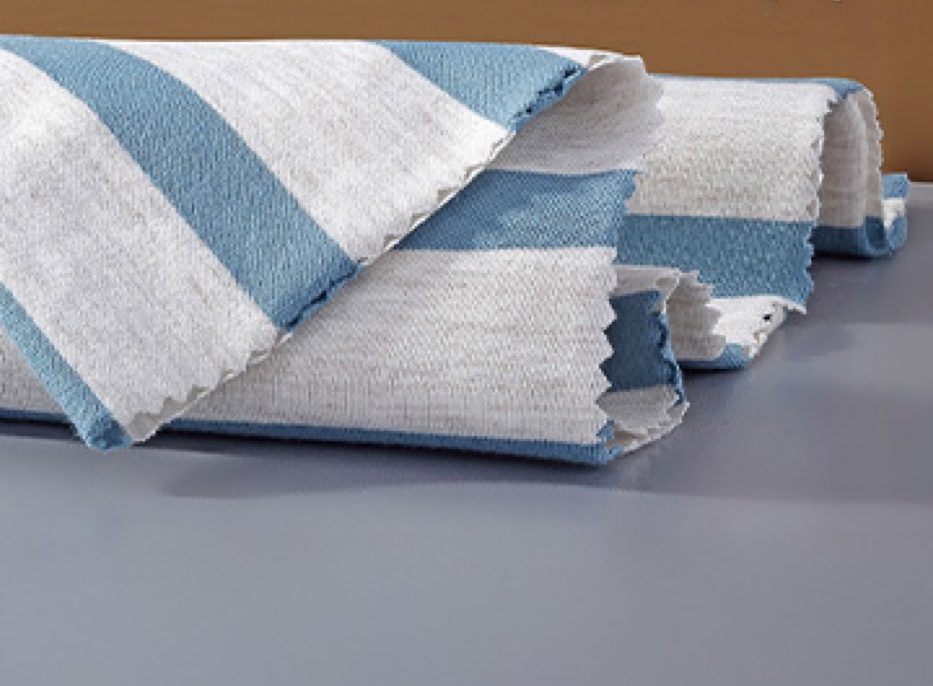
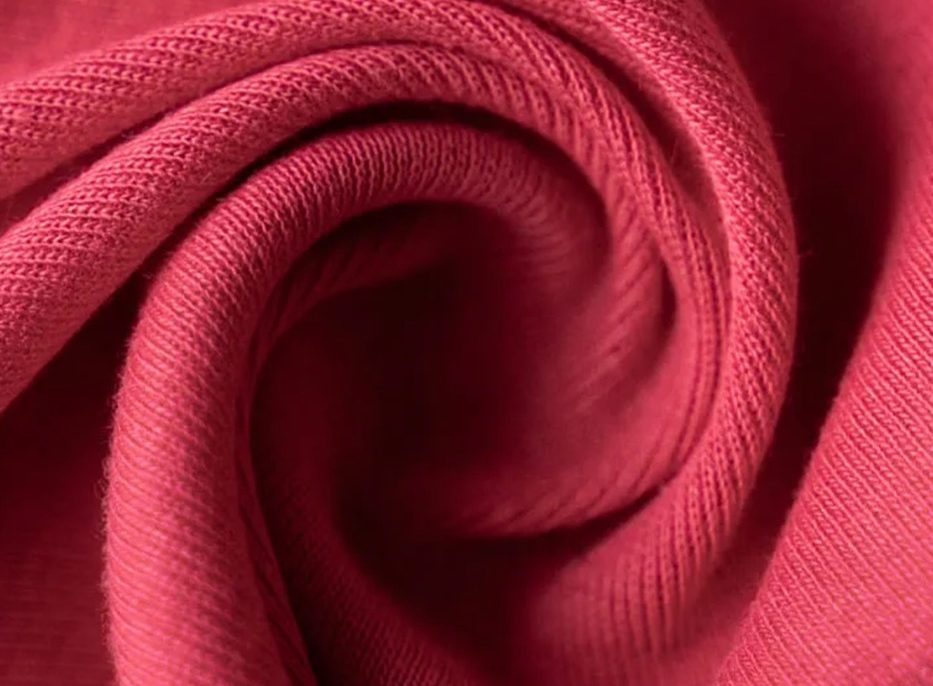
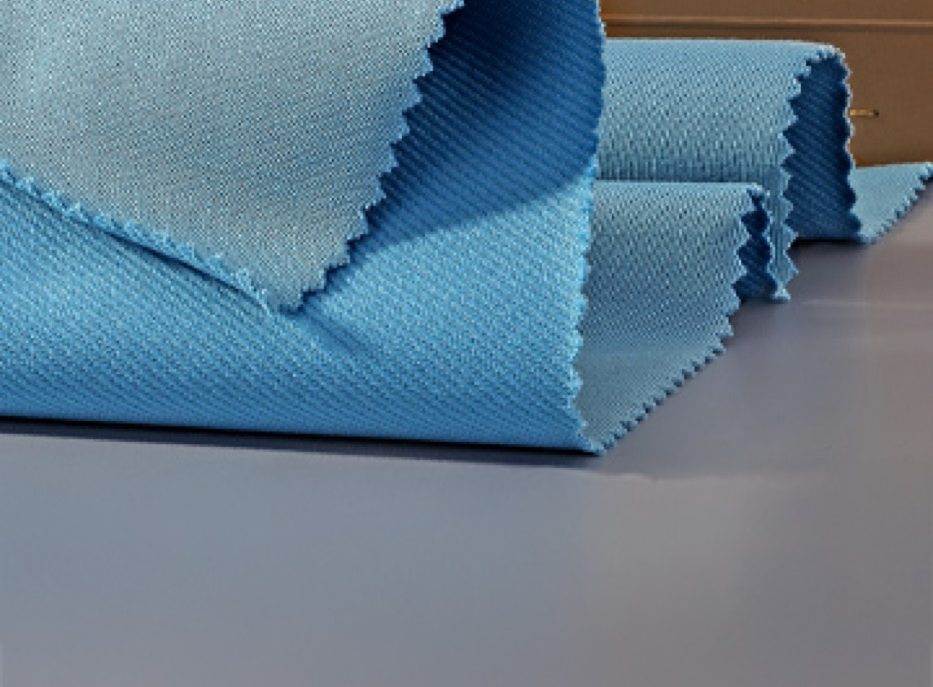
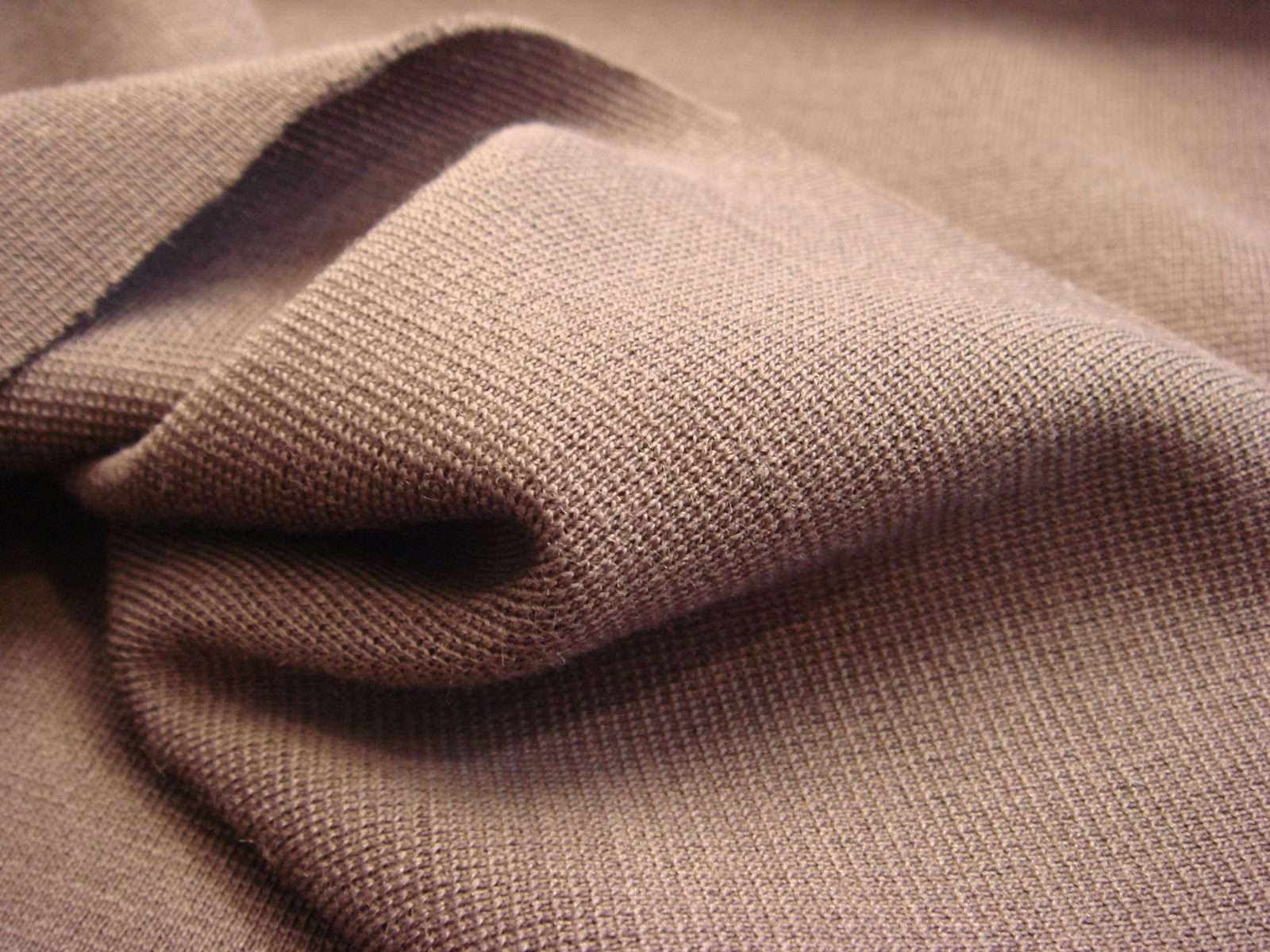
Penye describes the yarn before it describes the fabric. Cotton fibres are combed before spinning so that short fibres and impurities are removed; the yarn spun from the remaining long fibres is combed yarn, while yarn spun without combing is carded. Combed yarn gives a smoother, brighter surface with less pilling. In trade language the word moved onto the fabric: when a garment maker asks for penye, they usually mean single jersey knitted from combed cotton.
Penye and single jersey
Single jersey names the knit structure, penye names the yarn, and in practice both words often describe the same product. Single jersey can be knitted from carded yarn too; "combed single jersey" is the precise term and avoids misunderstandings with suppliers. The same logic applies to combed versions of two-thread and three-thread fleece. The core constructions are compared in single jersey, interlock and rib.
Weights, widths and blends
Combed single jersey is typically worked between 130 and 220 g/m²: around 140–160 for summer tees, 160–190 for standard t-shirts and 200 and above for fuller basics. Open width usually runs 160–190 cm, and tubular is possible. Blends include 100% cotton, cotton/elastane (state the elastane percentage on the order), viscose or modal for a cooler, more fluid drape, and cotton/polyester for crease resistance. Weight and width decisions are covered in choosing weight and width.
End uses and quality checks
T-shirts and vests lead, followed by underwear, kidswear, light dresses, sleepwear and promotional tees, usually paired with rib for collars and interlock where a more stable surface is needed. The usual risks in bulk are pilling, spirality, excess shrinkage and shade variation between lots; we tie these to written targets at sampling, measure weight and width on the greige knit and after dyeing, and inspect before dispatch. See wholesale knitted fabric sourcing for the full process.